An efficient legal intake process creates order where there’s typically chaos. For example, it minimizes manual steps, removes unnecessary back-and-forth, and ensures every request arrives complete and correctly routed.
When intake is standardized and supported by workflow automation, legal teams can operate with consistency, visibility, and scale, without having to increase headcount or compromise on quality.
Let’s break down what defines an efficient legal intake process, the bottlenecks that often slow teams down, and the automation use cases that can transform intake from a pain point into a strategic advantage.
What Defines an Efficient Intake Process?
1. Standardized Forms and Templates
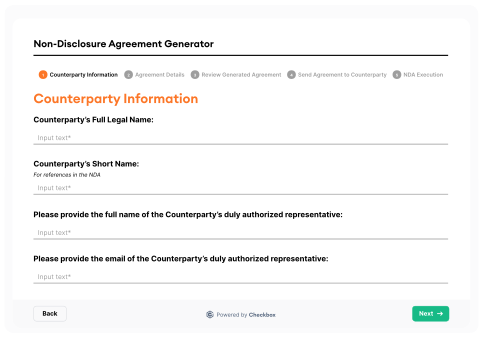
The most efficient legal intake processes start with structure. Standardized, guided forms ensure every request arrives with the information legal needs. Dynamic fields and conditional logic further streamline the experience by showing only what’s relevant to the requestor, reducing friction and improving accuracy. This creates a repeatable intake pattern that scales as the business grows.
2. Automation of Routing and Triage
Once a request is submitted, automation should take over. Instead of lawyers manually reviewing and forwarding requests, automated routing assigns the matter to the right workflow, team, or individual based on type, risk, or policy rules. AI-powered triage improves this even further by interpreting natural language submissions and matching them to the correct category. This results in faster turnaround, fewer interruptions, and a consistent path for every request.

3. Visibility Into Request Status
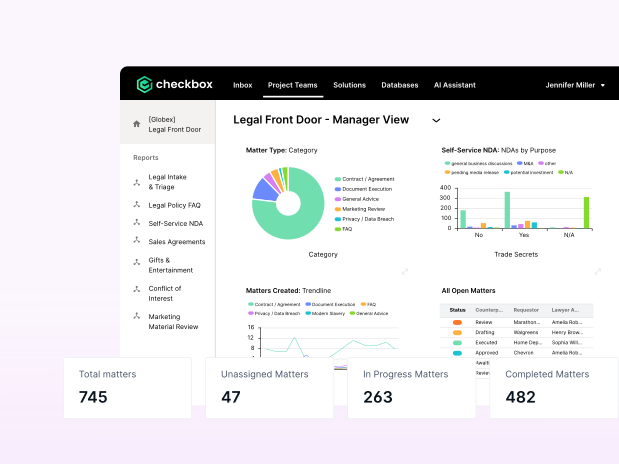
Clear visibility is essential for both legal and the business. Real-time dashboards allow legal to see matters by status, cycle time, assignee, and volume, helping the General Counsel (GC) identify bottlenecks and resource demands. On the requestor side, status tracking eliminates repeated check-ins and reduces frustration. Together, these visibility layers create a single source of truth, ensuring transparency and trust across the organization.
Common Bottlenecks and How to Eliminate Them
Most intake challenges stem from one root issue: too much unstructured work happening in email, chat, and hallway conversations. Requests arrive without the necessary context, supporting documents are scattered across threads, and legal spends more time deciphering ‘asks’ than delivering value. This overload creates hidden queues, inconsistent prioritization, and long cycle times that frustrate both the legal team and the business.
Process Fixes That Improve Flow
The path to efficiency starts with replacing ad-hoc intake channels with a standardized, digital legal front door. Structured forms ensure all required details are captured upfront, eliminating the back-and-forth that slows work down. Built-in logic helps guide requestors through the right path, while automated routing sends each request to the correct workflow or reviewer based on type, risk, or business unit.
And to maintain momentum after intake, automated reminders and approvals prevent matters from stalling. Status tracking gives legal and business stakeholders instant visibility into progress, reducing manual updates and increasing accountability. Together, these fixes create a predictable, transparent flow of work that free legal professionals to focus on higher-value tasks instead of administrative triage.
Automation Use Cases That Improve Efficiency
Legal AI Chatbots for FAQs
A significant portion of legal’s day is spent answering the same repetitive questions like “Do I need legal review?”, “Where’s the latest NDA?”, “What’s the process for vendor onboarding?”.
AI legal chatbots eliminate this drain on time by providing instant, policy-backed answers 24/7. Requestors get clarity without having to wait for a lawyer, and legal is freed from low-value interruptions. With tools like Checkbox’s AI Legal Assistant, these chatbots can be trained on internal policies and workflows to give precise, consistent guidance that reflects your organization’s rules.

Auto-Generated Matter IDs
Every request needs clean tracking, especially as legal teams grow and reporting expectations rise. Auto-generated matter IDs remove the manual administration that often bogs teams down. Each submission is assigned a unique identifier, creating a clear audit trail and making it easier to analyze trends, categorize work, and tie matters back to downstream systems like contract lifecycle management software (CLMs) or e-billing platforms. This structure also supports real-time dashboards and reporting, giving leaders visibility without extra effort from attorneys.
Pre-Set Approval Workflows
Manual approvals are one of the biggest sources of delay. AI-driven automated workflows replace slow, ambiguous processes with clear, policy-aligned paths. Whether it’s spend approvals, contract thresholds, privacy reviews, or compliance checks, pre-set routing ensures the right people review the right work at the right time. Parallel and sequential approvals can run automatically, and approvers can take action directly from email, speeding up turnaround and boosting efficiency across the organization.
Key Takeaways
An efficient legal intake process forms the strategic foundation for how legal partners with the business. When intake is structured, automated, and visible, legal teams reduce friction, improve turnaround times, and free lawyers from repetitive administrative work. This supports a legal function that operates with consistency, scalability, and confidence, even as request volumes rise.
The path forward doesn’t require overhauling how legal works. It starts with giving your team a modern legal front door, embedding smart automation, and creating the transparency leaders need to make informed decisions. With the right tools, intake becomes a source of clarity and legal becomes an enabler of business velocity.
If you’re ready to streamline how work flows into your legal department and scale your team’s impact without increasing headcount, book a demo today. See how leading legal teams are using the Checkbox’s in-house legal intake software to transform intake, automate workflows, and gain complete visibility across all matters.
Frequently Asked Questions
What defines an efficient legal intake process for in-house teams?
An efficient legal intake process standardizes how requests enter Legal, ensures complete information upfront, and uses automation to route matters correctly. It replaces ad-hoc emails and chat messages with a structured, digital front door that improves accuracy, reduces turnaround time, and gives teams clear visibility into workload and priorities.
How can standardized forms and templates improve intake efficiency?
Standardized forms and templates ensure every request includes the information legal needs from the start. With guided questions and conditional logic, requestors only see fields relevant to their issue, reducing friction and eliminating back-and-forth. This consistency creates a repeatable intake process that scales as volume increases and helps legal operate more efficiently.
What are the most common bottlenecks in legal intake processes, and how can they be eliminated?
Common bottlenecks include email overload, incomplete submissions, unclear request paths, and scattered communications. These issues can be eliminated by implementing a central legal front door with structured forms, automated routing, and built-in reminders.
How does automation help streamline routing, triage, and approvals?
Automation instantly directs incoming requests to the right workflow or reviewer based on type, risk, or business rules. AI-powered triage can interpret natural language submissions and classify them accurately. Automated reminders and pre-set approval workflows prevent matters from stalling, reduce manual oversight, and shorten cycle times across the entire legal intake process.
What role do AI tools, such as chatbots, play in improving legal intake efficiency?
AI chatbots reduce legal interruptions by answering repetitive questions like “Do I need legal review?” or “Where’s the latest NDA?” in real time. Trained on internal policies and workflows, these chatbots give consistent, accurate guidance 24/7. This deflects low-value queries, helps requestors self-serve, and frees legal teams to focus on higher-impact work.
How can legal teams track and maintain efficiency as intake demand grows?
Legal teams can maintain efficiency by using real-time dashboards that track matter volume, status, cycle times, and resource allocation. Auto-generated matter IDs and a centralized system of record ensure clean reporting and auditability. As demand increases, automation and visibility help teams identify bottlenecks, optimize workloads, and scale without adding headcount.